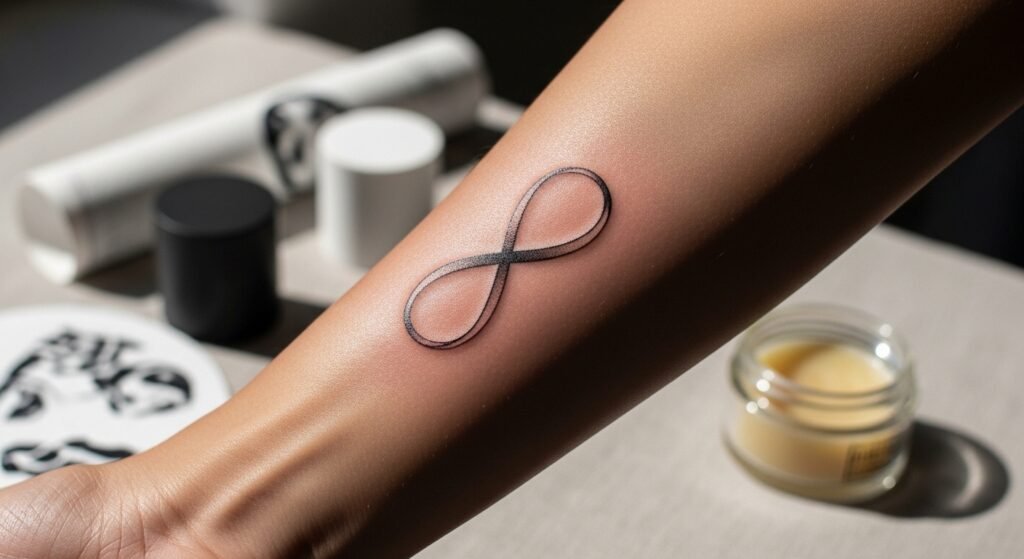
You’re sitting in a waiting room, scrolling 2 a.m. inspiration and picturing that infinity tattoo you’ve sketched in margins for months. The idea can be simple, but making an infinity tattoo feel personal takes a little design work, placement testing, and a solid aftercare plan.
This guide walks you through designing a unique infinity tattoo, choosing placement, prepping for the session, and nailing the aftercare routine. I keep a roll of Saniderm second-skin roll in my kit and, for sensitive placements, a dab of Zensa numbing cream an hour before the chair. You’ll learn placement tips, how the healed results should look, and product choices that help at each stage.
Choose the concept, style, and scale for your infinity tattoo (fine line, minimalist, blackwork)
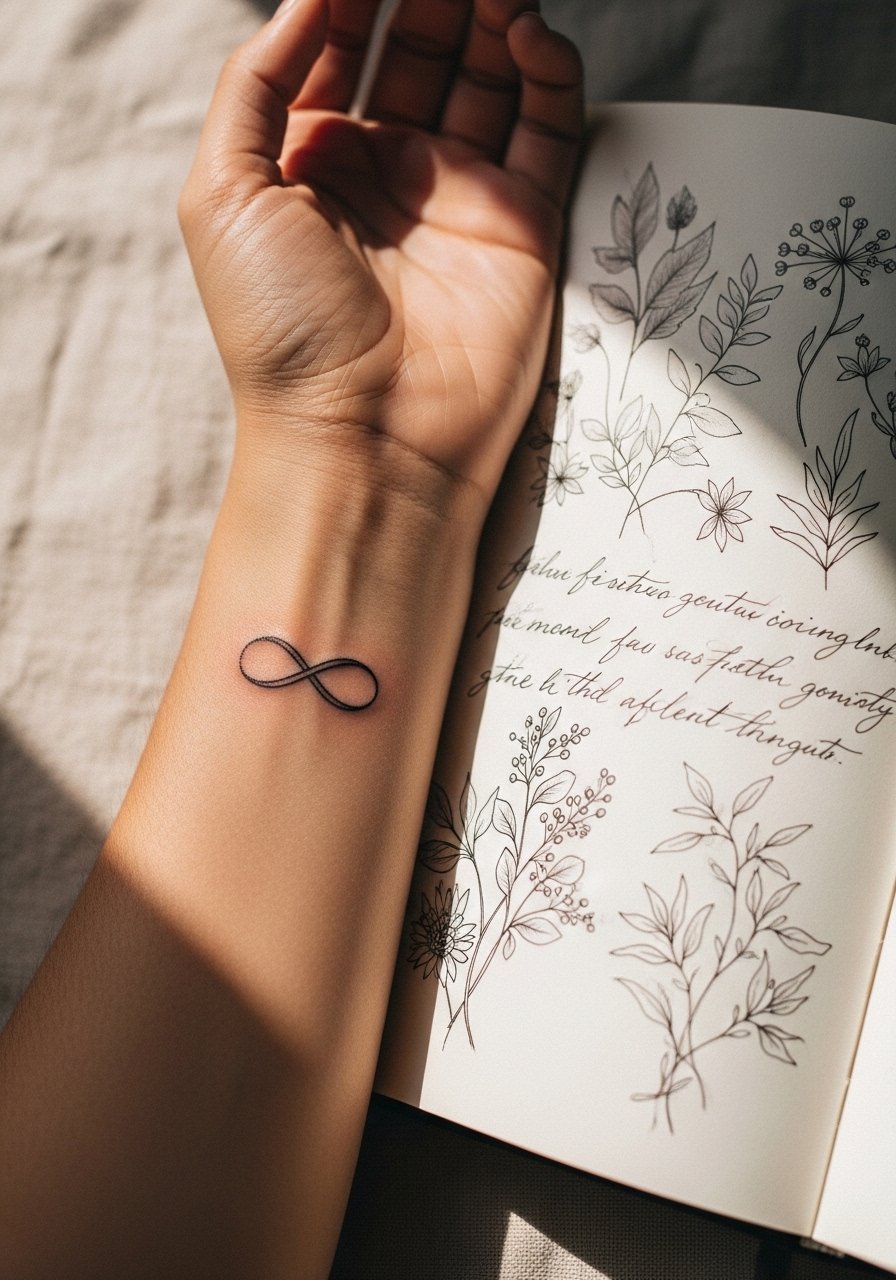
Start with why the symbol matters to you. Is it a promise, memorial, or visual motif? Then pick a style: fine line or minimalist works best for small infinity tattoos, while blackwork or neo-traditional options need more scale. Consider these points:
- Small fine-line infinity requires crisp, steady lines; ask for single-needle or tight two-needle work.
- If you want a personalized twist, add initials, a small date, or an organic element like a leaf that flows into the loop.
- Bigger, detailed designs show best on chest, rib, or forearm; tiny versions suit behind-the-ear, finger, or inner wrist.
Test your concept by sketching in a journal or using an Inkbox semi-permanent tattoo kit to see how the scale reads on skin.
Test placement before committing (beginner placement, stencil tricks)
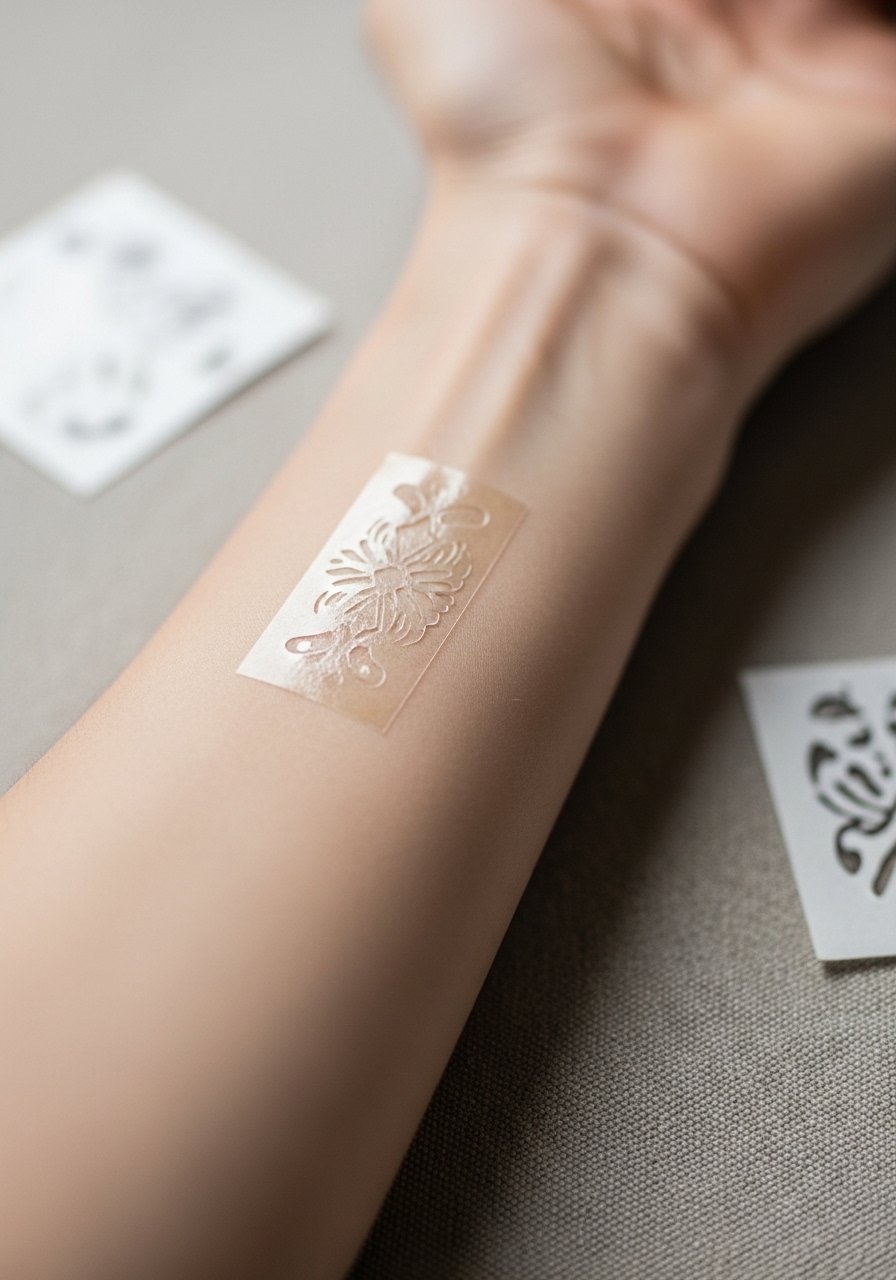
Testing placement saves regret. Use stencil transfer paper or a semi-permanent to live with the design for a day.
- Shave the area with a single-use prep razor right before applying a test stencil.
- Wear the mark during activity to watch how it sits when you bend, sleep, or dress.
Tips:
- For beginners, inner forearm and upper back are forgiving placements.
- Fingers and hands fade faster and need frequent touch-ups.
- If sunlight hits the spot often, plan for long-term SPF care.
Work with an artist and plan the session (what to tell your artist, touch-up expectations)

Bring a clear reference folder and let the artist adjust scale for the skin’s flow. Say these things in consultation:
- “I want a fine-line infinity about X cm wide on my inner forearm.”
- Ask which needle grouping they recommend and how preserved your linework will be.
- Confirm their touch-up policy—fine-line tattoos often need a light touch-up after 3–6 months.
If you’re nervous about pain, an hour-before dab of EMLA or Zensa numbing cream can help. And bring water, snacks, and a playlist.
Aftercare, healing stages, and keeping your infinity tattoo sharp (aftercare routine, healed results, touch-up)
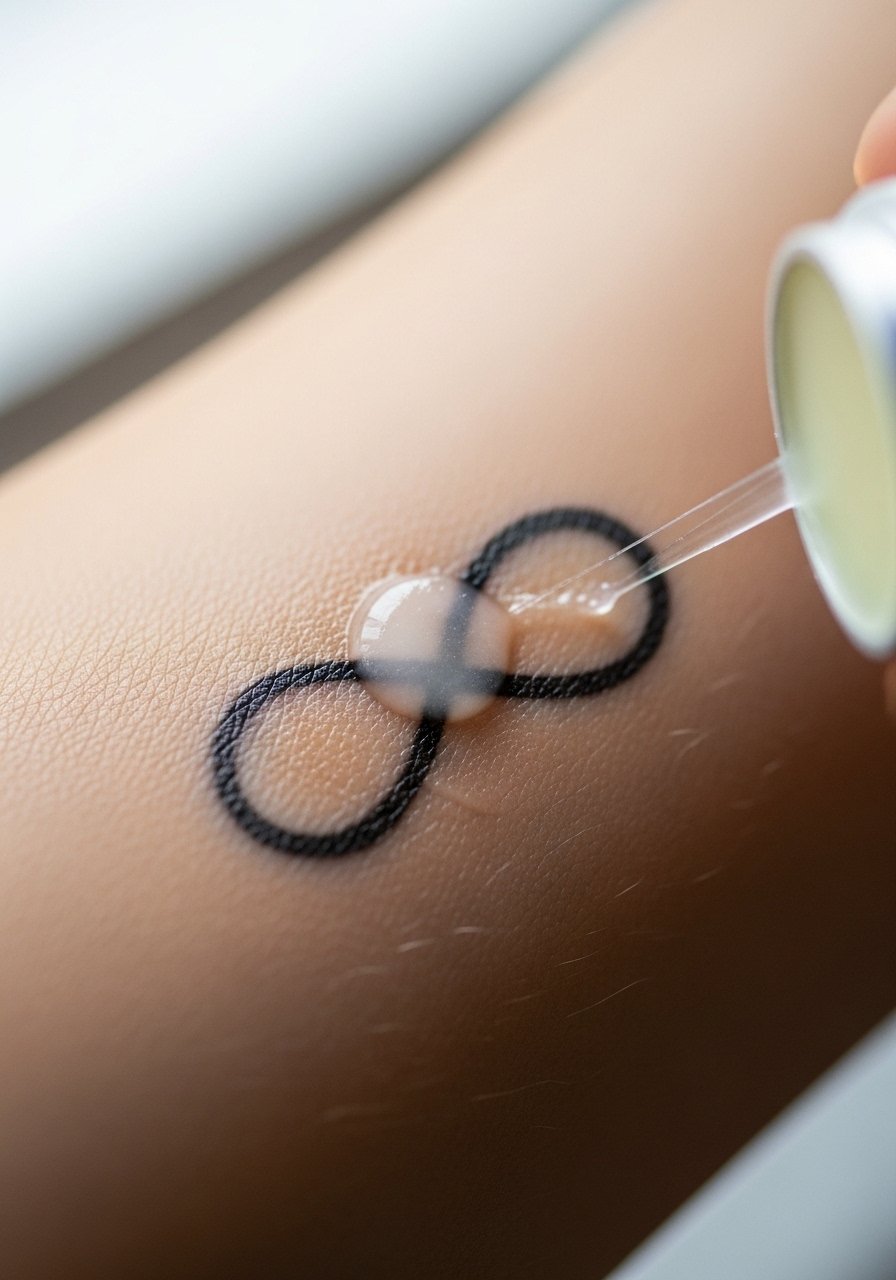
Right after the session, follow the studio’s wrap instructions. Many artists now use a second-skin bandage; if you want to replicate that at home, use Saniderm second-skin roll. Healing timeline to expect:
- Days 1–3: plasma and light scabbing. Gently wash twice daily with a fragrance-free, dye-free soap like Dr. Bronner’s unscented. Pat dry.
- Days 4–14: light peeling and itching. Apply a thin layer of unscented tattoo aftercare lotion such as After Inked 2x daily.
- Weeks 3–6: skin evens out; full healed results appear. Avoid sun and heavy exfoliation.
Quick tips:
- Never pick scabs. If excess plasma builds, gently blot with sterile gauze.
- For extra nourishment after healed stage, try a small amount of Vitamin E oil or Hustle Butter Deluxe sparingly.
- For outdoor exposure, protect healed ink with a mineral SPF 50 stick to slow fading.
If you notice heavy redness, pus, or increasing pain, contact your artist or a clinic.
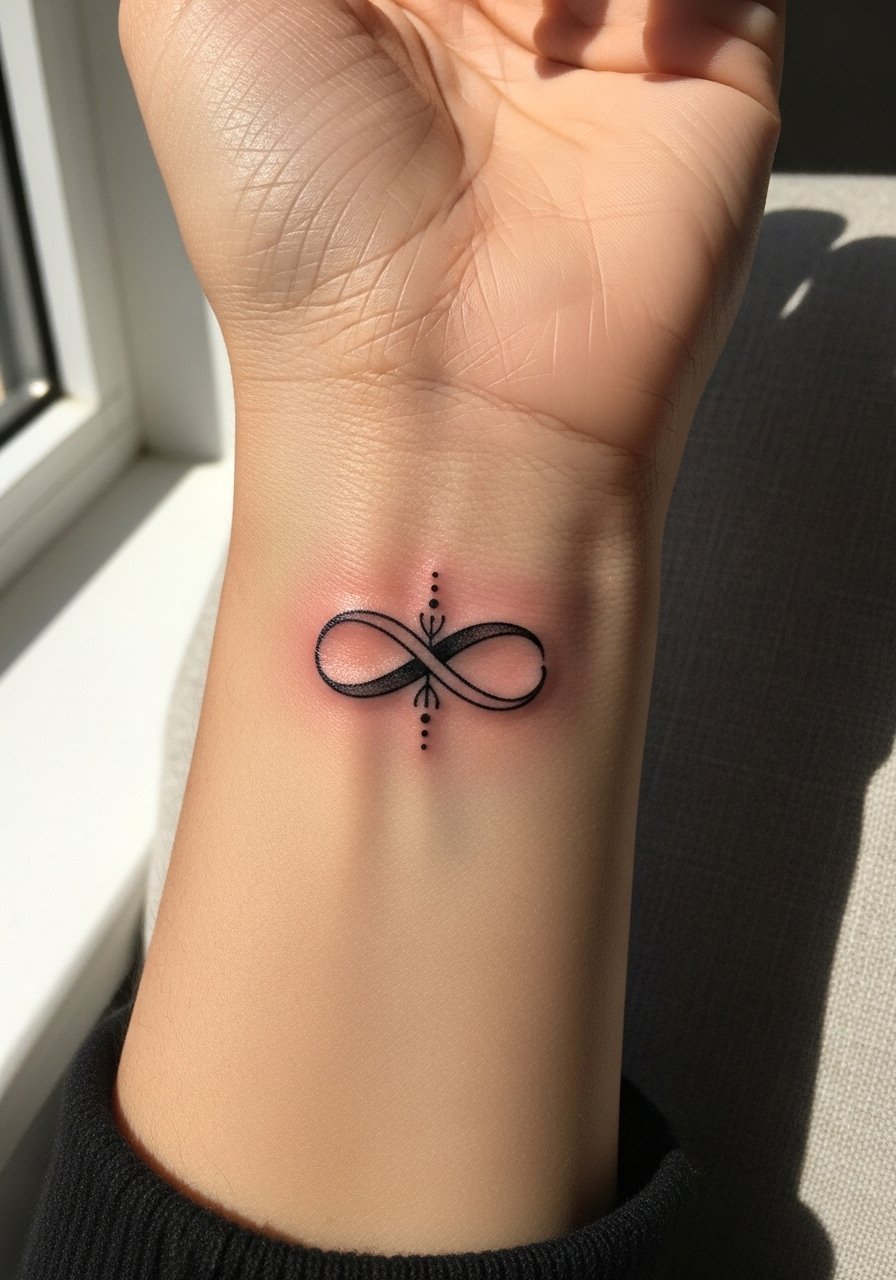
Your touch-up may be a tiny refresher after the first session if lines softened during healing. Plan touch-ups no sooner than 8–12 weeks.
Honestly, building a small aftercare kit the night before your appointment makes life easier. Pack a roll of Saniderm, a travel bottle of fragrance-free soap, and a tube of unscented aftercare lotion. Pin this guide before your consultation and save it for the night before your appointment. Which placement are you leaning toward? Drop it below!